
7 Reproductive Health Myths Many Nigerian Women Still Believe and the Truth Behind Each One
She Thought She Was Too Young to Get Pregnant. She Was Wrong.
Her friend told her the first time does not count.
Another friend said the morning-after pill causes abortion so she never used it.
Her mother told her birth control would make her barren. She believed all of it.
When it comes to reproductive health, many Nigerian youths receive advice from friends, family members, social media, or community beliefs long before they hear from a healthcare professional. While some of this advice is well-meaning, not all of it is accurate. Believing common myths about contraception, fertility, sexually transmitted infections (STIs), and reproductive wellness can lead to poor health decisions, unnecessary fear, or delayed treatment.
A Population Council study analysed more than 300,000 anonymous questions from young Nigerians and found widespread confusion about contraception, fertility, puberty, and STIs. The findings highlight a clear need for better sexual health education and access to reliable information.
In this article, we will answer seven common questions based on popular myths and explain what science says, so you can make informed decisions about your health.
1. Can Birth Control Make You Infertile?
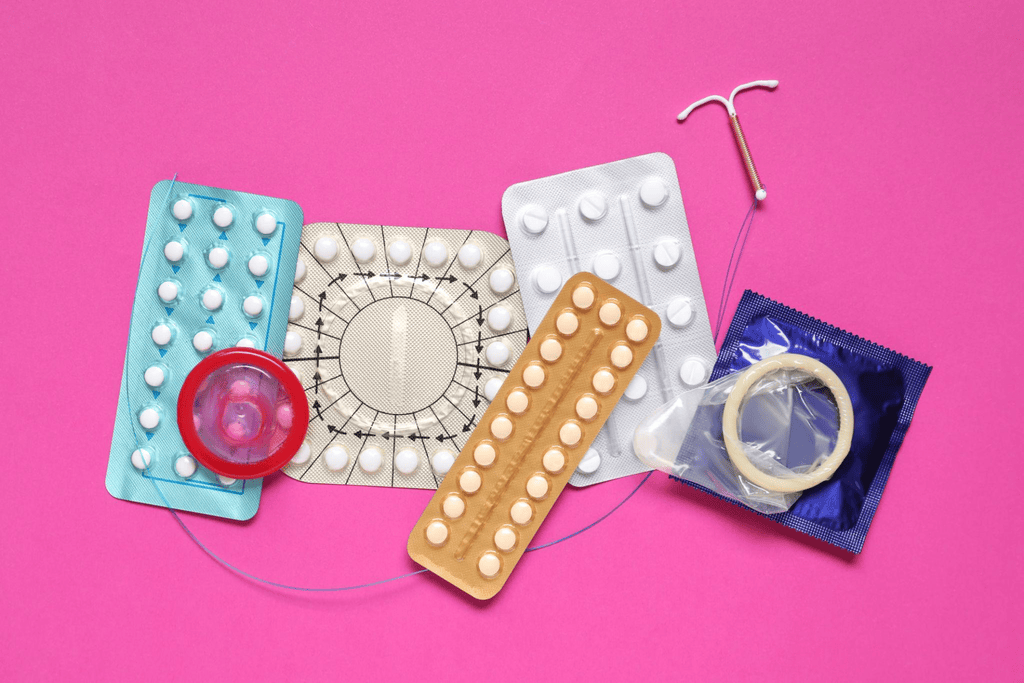
This is the myth that keeps women away from contraception and into situations they were not ready for.
The short answer: no. Modern contraceptives do not cause permanent infertility. The World Health Organization confirms that most women regain their fertility after stopping contraception. Some methods like the injection may delay your cycle returning by a few months. That delay is temporary. What actually affects fertility over time is age and untreated health conditions. When pregnancy does not happen quickly after stopping birth control, those are usually the real reasons, not the pill, not the implant, not the injection.
If you are considering contraception, speak with a qualified healthcare provider or speak with a licensed pharmacist at Mariam Grey. They can explain your options, answer your questions, and recommend a method that suits your health needs and future family plans.
2. Can You Get Pregnant the First Time You Have Sex?
Yes, you can. Your body does not keep a tally. It does not know whether this is your first time or your fiftieth. If sperm meets an egg during ovulation, pregnancy is possible. Full stop.
This myth has contributed to more unintended pregnancies among young Nigerians than almost any other piece of misinformation. Young people hear it, believe it, act on it, and face consequences that change the course of their lives.
Pregnancy depends on ovulation and whether effective contraception was used. Not on experience. Not on how many times you have had sex. Not on anything else.
If you are sexually active and not ready for pregnancy, speak with a Mariam Grey pharmacist about contraception. Visit mariamgrey.com
3. Is the Morning-After Pill the Same as an Abortion Pill?
No. Although the two are often confused, they are not the same and work in completely different ways.
The morning-after pill, also known as emergency contraception, is designed to prevent pregnancy before it begins. According to the World Health Organization (WHO), it mainly works by delaying or preventing the release of an egg (ovulation), making it less likely for fertilisation to occur. It does not end an existing pregnancy or harm a developing embryo.
This misunderstanding can discourage people from using emergency contraception when they genuinely need it after unprotected sex or contraceptive failure, such as a broken condom. It is also worth noting that emergency contraception is most effective when taken as soon as possible after unprotected sex, ideally within the recommended time frame for the specific product.
Keep in mind that emergency contraception is a backup option, not a regular birth control method. If you are sexually active, speak with a healthcare provider or a licensed pharmacist about choosing a reliable contraceptive method that fits your lifestyle and reproductive health goals.
4. Can You Have an STI Without Knowing It?
Yes. One of the most dangerous myths about reproductive health is that you will always notice if you have a sexually transmitted infection (STI). In reality, many STIs can have no obvious symptoms, especially in their early stages.
According to the World Health Organization (WHO), infections such as chlamydia, gonorrhoea, and even HIV may not cause noticeable symptoms right away. This means someone can feel perfectly healthy while still carrying an infection and unknowingly passing it to a partner. Left untreated, some STIs can lead to serious health problems, including pelvic inflammatory disease, infertility, and complications during pregnancy.
The only way to know your STI status is through testing. Regular screening is especially important if you are sexually active, have a new partner, or have had unprotected sex. You can get tested at Mariam Grey at your convenience. Get started here.
Do not wait for symptoms before seeking care. If you think you may have been exposed to an STI, visit a healthcare facility or speak with a licensed pharmacist about where to get tested. Early diagnosis and treatment can protect both your health and your future fertility.
5. Is Infertility Always the Woman’s Problem?
No. This is one of the most harmful fertility myths because it places unfair blame on women while ignoring the fact that infertility can affect anyone.
According to the World Health Organization (WHO), infertility may be caused by factors affecting the man, the woman, both partners, or, in some cases, no clear cause can be identified. In fact, male factors contribute to a significant proportion of infertility cases worldwide. Despite this, cultural beliefs in many Nigerian communities often lead to women being blamed first when a couple struggles to conceive.
Delaying or avoiding medical evaluation because of these assumptions can make it harder to identify and treat the actual cause. Fertility is influenced by many factors, including age, certain medical conditions, untreated infections, and lifestyle habits such as smoking and excessive alcohol consumption.
If you and your partner have been trying to conceive without success, both of you should seek medical evaluation. Fertility is a shared health issue, and getting tested together increases the chances of finding the right treatment and support.
6. Can Herbal Remedies Cure Every Sexual Health Problem?
Herbal medicine has long been part of healthcare in Nigeria, and some people use herbal remedies to support their general well-being. However, it is a myth that herbal products can cure every sexual and reproductive health problem.
Many herbal products marketed for treating STIs, boosting fertility, or improving sexual performance have not been scientifically proven to be safe or effective. Some may even contain undisclosed ingredients or interact with prescription medicines. Relying on unverified remedies can delay proper diagnosis and treatment, allowing conditions such as STIs or fertility disorders to worsen over time.
This does not mean all traditional remedies are ineffective. Some plants are being studied for their potential health benefits, but more research is needed before they can be recommended as treatments for specific reproductive health conditions.
If you are considering a herbal product for a sexual health concern, speak with a qualified healthcare provider or licensed pharmacist first. Getting an accurate diagnosis is the safest way to receive treatment that is both effective and appropriate for your condition.
7. Does Sexual Health Education Encourage Young People to Have Sex?

No. This is a common concern among some parents and communities, but research does not support it. In fact, studies consistently show that sexual health education helps young people make safer and more informed decisions about their health.
According to UNESCO and the World Health Organization (WHO), comprehensive sexual health education does not encourage early sexual activity. Instead, it equips young people with accurate information about topics such as puberty, consent, contraception, STI prevention, healthy relationships, and personal responsibility. Research has also found that young people who receive quality sexual health education are more likely to delay sexual activity, use protection when they become sexually active, and seek healthcare when needed.
In Nigeria, where misinformation about sex and reproductive health is still common, access to reliable education can help reduce unintended pregnancies, prevent STIs, and challenge harmful fertility myths.
Learning about sexual health is not about encouraging sex. It is about giving young people the knowledge they need to protect their health, make informed choices, and know when to seek professional help.
Why Do These Myths Continue to Spread?
Health myths often survive because they are passed down through generations and repeated so often that they begin to sound like facts. In Nigeria, conversations about sex and reproductive health can still be uncomfortable in many homes and communities, making it harder for young people to ask questions or verify what they hear. Social media, word of mouth, and misleading online content can also spread misinformation faster than accurate health advice.
At the same time, limited access to reliable sexual health education means many young people are left to fill the gaps with guesses or myths. Breaking this cycle starts with asking questions, checking information against trusted sources, and seeking advice from qualified healthcare professionals instead of relying on rumours.
Your Reproductive Health Questions Deserve Real Answers
Not guesses. Not myths. Not advice from someone who heard it from someone else.
A licensed pharmacist at Mariam Grey can answer your sexual and reproductive health questions privately, without judgment, from wherever you are in Nigeria.
Visit mariamgrey.com or send us a message today.
Your health is too important to leave to rumour.

Remember, taking charge of your health starts with asking questions and seeking trustworthy answers. The more informed you are, the better equipped you will be to make decisions that support your health now and in the future.
Frequently Asked Questions
1. What is sexual and reproductive health?
It refers to your physical, mental, and social wellbeing in matters related to sexuality and reproduction. It includes family planning, STI prevention and treatment, fertility care, and the ability to make informed decisions about your own body.
2. Can I get pregnant even if it is my first time having sex?
Yes. Pregnancy can happen any time sperm meets an egg, regardless of whether it is your first or fiftieth time. Effective contraception is the only reliable way to reduce that risk.
3. How often should I get tested for STIs?
If you are sexually active, especially with a new or multiple partners, regular STI screening is recommended. You should also get tested if you have had unprotected sex or notice symptoms such as unusual discharge, sores, or pain during urination. A healthcare provider can recommend the right testing schedule for you. Connect with a Mariam Grey pharmacist for the right testing now.
4. Are condoms the only way to prevent STIs?
Condoms are one of the most effective options but not the only one. Regular testing, vaccination where available, and open communication with partners all contribute to protection.
5. Where can I get reliable sexual and reproductive health information in Nigeria?
From qualified doctors, licensed pharmacists, government health facilities, and trusted organisations like the WHO. Be cautious of social media posts, forwarded messages, and unverified online content.