Hypertension in Nigeria Is Rising Among Young Adults: Here’s Why
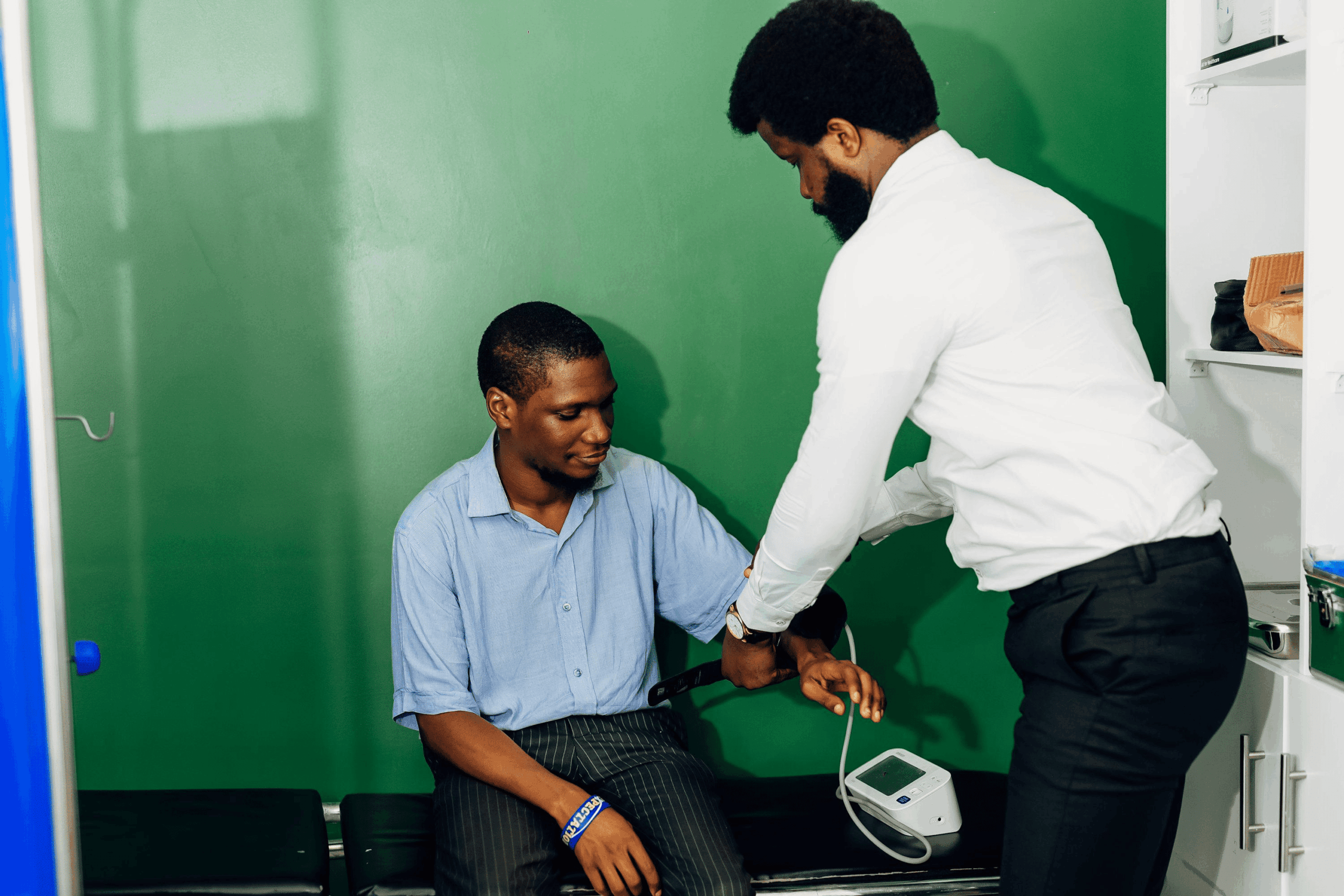
High blood pressure, also known as hypertension in Nigeria, is no longer a condition limited to older adults. Increasingly, young professionals in their 20s, 30s, and early 40s are being diagnosed with elevated blood pressure during routine medical checks, often without any obvious warning signs.
This shift is concerning because hypertension is widely known as a “silent killer.” In many cases, individuals do not experience noticeable symptoms until serious complications such as stroke, heart disease, or kidney damage begin to develop.
Globally, the World Health Organization (WHO) identifies hypertension as one of the leading risk factors for premature death worldwide. In many low- and middle-income countries, including Nigeria, the burden is rising due to rapid lifestyle and environmental changes.
In Nigeria specifically, healthcare professionals have consistently reported an increase in cases among younger adults. This trend is closely linked to changes in diet, stress levels, physical activity, and daily habits.
Many young Nigerians assume they are too young to worry about blood pressure. However, this assumption often leads to delayed diagnosis and untreated hypertension. When high blood pressure goes unnoticed for years, it quietly damages the heart and blood vessels.
The challenge is that hypertension does not always come with clear warning signs. This is why regular screening is essential, even for people who feel healthy.
What Is High Blood Pressure?
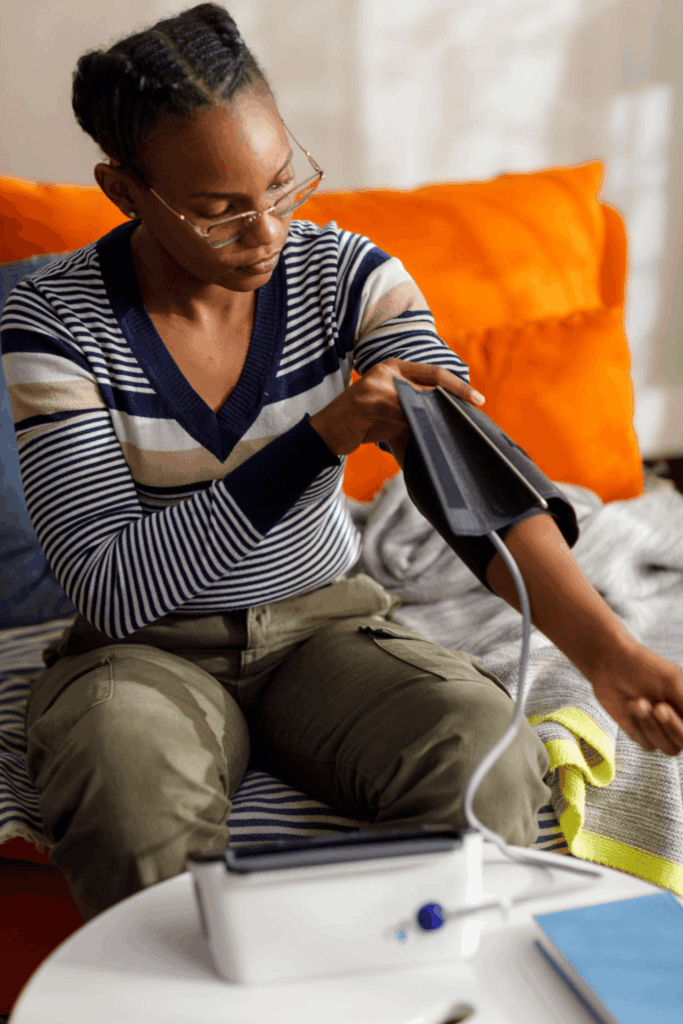
High blood pressure is a medical condition where the force of blood pushing against the walls of your arteries is consistently too high. Over time, this extra pressure strains the heart and damages blood vessels, increasing the risk of serious health problems such as stroke, heart attack, and kidney disease.
To understand it simply, think of your blood vessels like a water pipe system. When water flows through a pipe at normal pressure, everything works smoothly. But if the pressure becomes too high for too long, the pipes begin to weaken and get damaged. That is what happens inside the body with uncontrolled blood pressure.
How Blood Pressure Is Measured
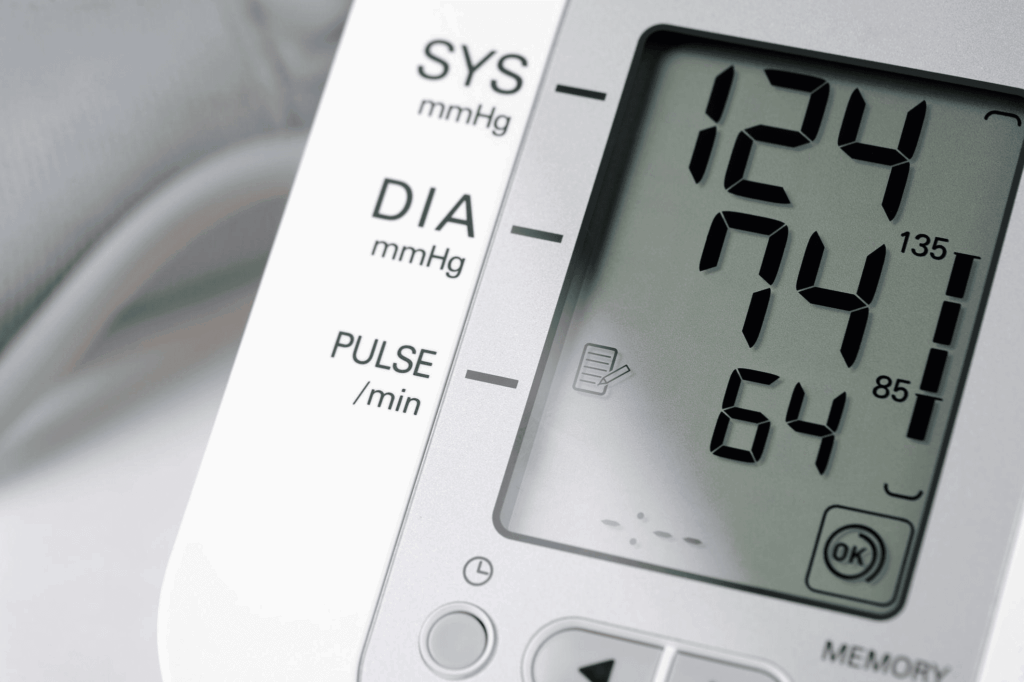
Blood pressure is recorded using two numbers:
- Systolic pressure (top number): This measures the pressure in your arteries when your heart beats.
- Diastolic pressure (bottom number): This measures the pressure when your heart rests between beats.
A typical reading might look like 120/80 mmHg.
High Blood Pressure Chart
Understanding your blood pressure reading is the first step in prevention and control.
| Category | Systolic (Top Number) | Diastolic (Bottom Number) |
|---|---|---|
| Normal | Less than 120 | Less than 80 |
| Elevated | 120–129 | Less than 80 |
| Stage 1 Hypertension | 130–139 | 80–89 |
| Stage 2 Hypertension | 140 or higher | 90 or higher |
| Hypertensive Crisis | 180+ | 120+ |
A hypertensive crisis is a medical emergency and requires immediate attention.
What These Numbers Really Mean
Many people see numbers like 130/85 or 145/95 and assume it is “not serious.” However, consistently elevated readings, even without symptoms, can slowly damage vital organs.
The danger of hypertension is not just in how high the numbers are but in how long they remain uncontrolled.
For example:
- A slightly elevated reading over months or years can be more dangerous than a one-time spike.
- Many young adults only discover they have hypertension during routine screenings or unrelated hospital visits.
You can check your blood pressure routinely and automatically at home with Omron M2.
Why Understanding Your Blood Pressure Matters
Knowing your numbers helps you:
- Detect hypertension early before complications begin
- Track changes caused by lifestyle habits such as diet and stress
- Decide when to seek medical advice or start treatment
- Prevent long-term damage to the heart, brain, and kidneys
High blood pressure is a warning signal from your body. Even if you feel perfectly fine, your blood vessels may already be under strain.
Understanding your readings is the first step in taking control of your health.
High Blood Pressure Symptoms You Should Not Ignore
One of the most dangerous things about hypertension in Nigeria is that it often develops quietly. Many people live with high blood pressure for years without knowing it, which is why it is commonly called the “silent killer.”
Unlike infections or injuries that announce themselves clearly, hypertension can progress with little to no warning signs until it becomes severe.
Can High Blood Pressure Have Symptoms?
The simple answer is yes. However, most people do not experience noticeable symptoms, especially in the early stages.
When symptoms do appear, they are often vague and easily mistaken for stress, fatigue, or dehydration.
This is why relying on symptoms alone is not enough. Regular blood pressure checks are the only reliable way to detect it early. You can check your blood pressure without having to leave your home with Omron M2 available here.
Common High Blood Pressure Symptoms
When symptoms do show up, they may include:
- Persistent or frequent headaches
- Dizziness or lightheadedness
- Blurred or double vision
- Fatigue or unusual tiredness
- Chest discomfort or tightness
- Shortness of breath
- Nosebleeds (in severe cases)
These symptoms are not specific to hypertension alone. They can be caused by many other conditions, which is why testing is essential.
If you have noticed symptoms such as frequent thirst, constant fatigue, blurry vision, or slow-healing wounds, do not ignore them. These could be early warning signs of diabetes, and early diagnosis can make a significant difference in preventing serious complications. Read our guide on 10 Early Signs of Diabetes in Nigeria You Should Never Ignore to learn what to watch out for and when to seek medical advice.
Why Young Adults Often Ignore the Signs

Many young Nigerians dismiss early warning signs because they do not expect to have a “serious condition” like hypertension.
Common reactions include:
- “It is just stress from work.”
- “I have not eaten well today.”
- “It will go away after rest.”
- “I am too young for high blood pressure.”
This delay in checking blood pressure allows the condition to continue silently, sometimes until complications occur.
A large percentage of people with hypertension experience “zero” symptoms. They feel completely normal while their blood pressure remains dangerously high.
By the time symptoms appear, damage may already be developing in organs such as the heart, kidneys, or brain.
When Symptoms Become an Emergency
Some symptoms may indicate dangerously high blood pressure and require urgent medical attention:
- Severe chest pain
- Sudden severe headache
- Difficulty breathing
- Weakness or numbness on one side of the body
- Loss of vision
- Confusion or difficulty speaking
These may signal a hypertensive crisis or stroke risk and should not be ignored.
High blood pressure symptoms are unreliable. Some people experience mild warning signs, while many experience none at all.
The safest approach is not to wait for symptoms, but to check your blood pressure regularly, especially if you are a young adult with high stress, poor sleep, or unhealthy eating habits.
Not Sure If Your Blood Pressure Is Normal?
High blood pressure often develops without obvious symptoms. If you have been experiencing frequent headaches, dizziness, fatigue, or simply have not checked your blood pressure recently, now is a good time to know your numbers.
Book a blood pressure check or speak with a healthcare professional at Mariam Grey for personalized guidance.
The rise of hypertension in Nigeria, especially among young adults, is not random. It is strongly linked to modern lifestyle patterns, changing diets, and increasing daily stress levels.
While genetics still plays a role, research and clinical observations show that environment and lifestyle factors are now major drivers of high blood pressure in young Nigerians.
Understanding these causes is important because it helps explain why people in their 20s and 30s are now being diagnosed with a condition that was once mostly seen in older adults.
1. Chronic Stress and High Pressure Living
Stress is one of the most overlooked causes of causes of hypertension in young adults.
Young professionals in Nigeria often deal with:
- Long working hours
- Job insecurity
- Financial pressure
- Traffic-related exhaustion (especially in major cities)
- Side hustles to survive rising living costs
When stress becomes constant, the body releases hormones like cortisol and adrenaline. These hormones temporarily increase heart rate and blood pressure. Over time, repeated exposure can contribute to sustained hypertension.
2. Poor Diet and Excess Salt Consumption
Diet is one of the strongest modifiable risk factors.
Many young Nigerians consume:
- Fast food meals multiple times a week
- Instant noodles and processed snacks
- Sugary drinks and energy drinks
- High-sodium soups, seasonings, and canned foods
Excess salt (sodium) causes the body to retain water, increasing blood volume and putting pressure on blood vessels.
Even when food does not taste “salty,” hidden sodium in processed foods can still contribute significantly to high blood pressure.
3. Physical Inactivity and Sedentary Lifestyle
Modern work culture has significantly reduced physical movement.
Many young adults:
- Sit for 8–10 hours daily at work
- Spend additional hours on screens after work
- Rely heavily on transport instead of walking
Lack of physical activity contributes to:
- Weight gain
- Poor blood circulation
- Reduced heart efficiency
Over time, this increases the risk of developing hypertension.
Even simple daily movement, like walking, can significantly improve cardiovascular health.
4. Poor Sleep Patterns
Sleep is often ignored in discussions about blood pressure, yet it plays a major role.
Common habits include:
- Sleeping fewer than 6 hours due to work or screen time
- Irregular sleep schedules
- Late-night phone use or binge-watching
Poor sleep affects hormone regulation and keeps the body in a stressed state, which can elevate blood pressure over time.
Research consistently links chronic sleep deprivation with higher risk of cardiovascular diseases, including hypertension.
5. Smoking, Alcohol, and Excess Caffeine
Lifestyle substances also contribute significantly.
- Smoking damages blood vessels and increases arterial stiffness
- Alcohol can raise blood pressure when consumed frequently or in excess
- Energy drinks and high caffeine intake can cause temporary spikes in blood pressure, especially when combined with stress or lack of sleep
While occasional use may not immediately cause hypertension, long-term habits increase risk.
6. Genetics and Family History
Some individuals are genetically predisposed to hypertension.
If a parent or close relative has high blood pressure, the risk increases. However, genetics alone does not guarantee hypertension. Lifestyle choices often determine whether that risk becomes reality.
The rise of high blood pressure symptoms and hypertension in Nigeria among young adults is largely driven by lifestyle changes, not age alone.
Stress, poor diet, inactivity, and sleep deprivation are the most powerful contributors.
7. Medical Causes of High Blood Pressure
Although less common in young adults, medical conditions such as kidney disease, hormonal disorders, and sleep apnea can also cause hypertension.
Kidney Disease
The kidneys help regulate fluid and salt balance. When they are not functioning properly, blood pressure may rise.
Hormonal Disorders
Conditions affecting hormones can influence blood pressure, such as:
- Thyroid disorders
- Adrenal gland problems
- Excess cortisol production
Sleep Apnea
This condition causes breathing interruptions during sleep. It is linked to repeated oxygen drops, which can raise blood pressure over time.
8. Certain Medications
Some medications may increase blood pressure as a side effect, including:
- Some pain medications
- Certain hormonal treatments
- Some decongestants
How to Control High Blood Pressure Naturally
These strategies are widely supported by clinical guidelines from cardiovascular health organizations and are considered first-line interventions for mild to moderate hypertension.
1. Reduce Salt Intake (Sodium Control)
Excess sodium is one of the strongest dietary drivers of high blood pressure.
Practical steps:
- Limit seasoning cubes and salty additives
- Reduce fast food consumption
- Avoid overly processed snacks
- Taste food before adding extra salt
- Choose fresh meals when possible
Even small reductions in daily salt intake can lead to measurable improvements in blood pressure over time.
2. Adopt a Heart-Friendly Diet
Diet plays a central role in managing blood pressure.
Focus on:
- Fruits (bananas, oranges, apples, watermelon)
- Vegetables (leafy greens like spinach and ugu)
- Whole grains (brown rice, oats)
- Lean proteins (fish, beans, chicken without excess oil)
Reduce:
- Fried foods
- Sugary drinks
- Highly processed meals
A diet rich in potassium, fiber, and antioxidants supports healthier blood vessel function.
3. Increase Physical Activity
Regular movement helps the heart become more efficient at pumping blood.
Recommended:
- At least 30 minutes of moderate activity most days
- Brisk walking
- Light jogging
- Cycling
- Home workouts
You do not need intense gym sessions. Consistency is more important than intensity.
4. Maintain a Healthy Weight
Excess body weight increases pressure on the heart and blood vessels.
Even a small reduction in weight (5–10% of body weight) can:
- Lower blood pressure
- Improve circulation
- Reduce strain on the heart
5. Manage Stress Effectively
Stress is a major contributor to elevated blood pressure in young adults.
Practical stress control methods:
- Deep breathing exercises
- Short daily walks
- Structured breaks during work
- Prayer or meditation
- Reducing overcommitment
- Engaging in hobbies
Stress management does not eliminate problems, but it reduces the body’s harmful physiological response to them.
6. Improve Sleep Quality
Poor sleep directly affects blood pressure regulation.
Healthy sleep habits:
- Aim for 7–9 hours of sleep
- Maintain consistent sleep and wake times
- Reduce screen exposure before bedtime
- Avoid heavy meals late at night
Quality sleep allows the cardiovascular system to recover properly.
7. Monitor Blood Pressure Regularly
Many young adults only discover hypertension late because they do not check regularly.
Why monitoring matters:
- Helps detect early changes
- Tracks effectiveness of lifestyle changes
- Prevents complications through early intervention
Home or pharmacy-based monitoring is a simple and effective preventive step.
High Blood Pressure Medication: When It Is Necessary and How It Works
For many people with hypertension in Nigeria, lifestyle changes are the first and most important step. However, there are cases where lifestyle adjustments alone are not enough to bring blood pressure under control. In these situations, high blood pressure medication becomes necessary.
This does not mean failure. It means the body needs additional medical support to reduce risk and prevent complications.
Doctors may recommend medication when:
- Blood pressure remains consistently high (Stage 1 or Stage 2 hypertension)
- Lifestyle changes do not bring sufficient improvement
- There is a high risk of complications (e.g., diabetes, kidney issues, heart disease)
- Blood pressure readings are dangerously high at diagnosis
- There is evidence of organ strain or damage
In many young adults, medication may be used temporarily alongside lifestyle changes or long-term depending on the severity.
Common Types of High Blood Pressure Medication
There are several classes of drugs used to manage hypertension. Each works differently, but all aim to lower pressure in the blood vessels.
1. Diuretics (Water Pills)
These help the body remove excess sodium and water through urine, reducing blood volume.
Effect: Lowers pressure on blood vessels.
2. ACE Inhibitors
These help relax blood vessels by blocking the formation of a hormone that narrows arteries.
Effect: Makes it easier for blood to flow.
3. ARBs (Angiotensin Receptor Blockers)
These work similarly to ACE inhibitors but block hormone action instead.
Effect: Helps blood vessels stay relaxed.
4. Calcium Channel Blockers
These prevent calcium from tightening the muscles of the heart and blood vessels.
Effect: Helps vessels stay open and relaxed.
Note: High blood pressure medication must always be used under medical supervision.
- Do not start medication without a doctor’s prescription
- Do not stop medication suddenly without medical advice
- Dosage may need adjustment over time
- Regular follow-up is important to monitor effectiveness
Incorrect use can lead to complications or uncontrolled blood pressure. When used correctly, it significantly reduces the risk of stroke, heart attack, and kidney disease.
Can High Blood Pressure Be Cured?
In most cases, high blood pressure cannot be completely cured, but it can be:
- Well controlled
- Reduced to normal or near-normal levels
- Managed in a way that prevents complications
In certain situations, blood pressure can return to normal levels, especially when detected early.
This is more likely when hypertension is linked mainly to lifestyle factors such as:
- Excess weight
- High salt intake
- Poor diet
- Lack of physical activity
- Chronic stress
- Poor sleep habits
In these cases, sustained lifestyle changes can lead to significant improvement, sometimes to the point where medication is no longer needed (only under medical supervision).
Need Help Managing Your Blood Pressure?
If you have been prescribed blood pressure medication or are unsure whether you need treatment, professional guidance is essential.
Connect with a licensed healthcare professional at Mariam Grey to get prescription advice, medication support, and answers to your questions, all from the comfort of your home.
Frequently Asked Questions (FAQs)
1. What causes high blood pressure in young adults?
Chronic stress, poor diet, excess salt, inactivity, poor sleep, and weight gain are the main drivers. In some cases, kidney disease or hormonal conditions are the cause.
2. Can I have high blood pressure with no symptoms?
Yes. Most people do. Symptoms are an unreliable indicator. Regular checks are the only way to know.
3. Can stress alone cause high blood pressure?
Stress alone may not directly cause long-term hypertension, but chronic stress can contribute significantly to elevated blood pressure over time. It can also encourage unhealthy habits such as overeating, smoking, poor sleep, and excessive alcohol consumption, which further increase risk.
4. Is hypertension common among young Nigerians?
Yes. Healthcare professionals are increasingly diagnosing hypertension in Nigeria among people in their 20s, 30s, and early 40s. Modern lifestyles, work-related stress, dietary changes, and reduced physical activity are major contributors to this trend.
5. Can exercise lower blood pressure naturally?
Yes. Regular physical activity helps the heart pump blood more efficiently and can lower blood pressure over time. Activities such as brisk walking, cycling, swimming, and jogging can all contribute to better cardiovascular health when done consistently.
6. Can I stop taking my blood pressure medication when my readings become normal?
No, not without speaking to your doctor first.
Many people assume that normal readings mean they no longer need medication. In reality, the medication may be the reason those readings have improved. Stopping treatment suddenly can cause blood pressure to rise again and increase the risk of complications.
7. How often should I check my blood pressure?
If you are healthy with no risk factors, once or twice a year is a reasonable baseline. If you have elevated readings, a family history, or are already on treatment, check more frequently as advised by your pharmacist or doctor.
Know Your Numbers Before They Surprise You
High blood pressure does not care how young you are or how fine you feel. The only way to know is to check.
Speak with a licensed pharmacist at Mariam Grey from the comfort of your home. Get your questions answered, your readings interpreted, and your next steps clearly laid out.
Visit mariamgrey.com or send us a message today.
Your future self will be glad you did not wait.