Sleep Deprivation and Your Health: Effects of Lack of Sleep + How to Sleep Better
You Are Not Lazy. You Are Sleep Deprived. And It Is Slowly Destroying Your Health.
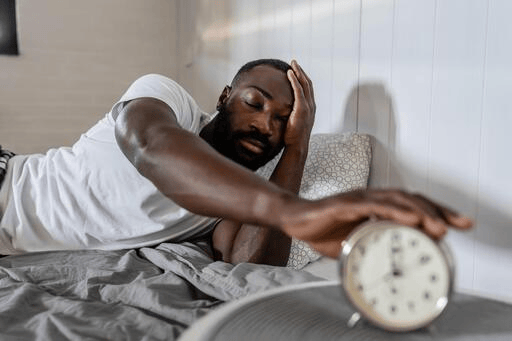
You set four alarms.
You still woke up exhausted.
You dragged yourself through the day on coffee and willpower, snapped at someone you love, forgot something important, and told yourself you would sleep early tonight.
You did not.
And tomorrow it starts all over again.
Sound familiar?
If so, you’re not alone. Nigeria runs on hustle. Early mornings, late nights, generator noise, long commutes, side hustles, family obligations. Sleep is always the first thing we sacrifice.
According to the Centers for Disease Control and Prevention (CDC), about 1 in 3 adults do not get enough sleep on a regular basis. Yet many of us treat sleep as something we can sacrifice to meet deadlines, care for family, or squeeze in a little more entertainment.
The truth is, sleep is not a luxury; it is one of your body’s most important maintenance systems. It supports your heart and helps you maintain a healthy weight. It also improves concentration, mood, and productivity; quality sleep plays a vital role in your overall health. Recent research also links poor sleep to a higher risk of cardiometabolic diseases, including obesity, high blood pressure, type 2 diabetes, and heart disease.
In this article, we’ll explore the effects of lack of sleep, how to recognize the signs of sleep deprivation, and practical steps you can take to build healthy sleep habits that support better sleep and health.
What Is Sleep Deprivation?
Sleep deprivation happens when you consistently get less sleep than your body needs to function properly. It can result from sleeping too few hours, poor-quality sleep, or waking up frequently during the night. While one late night is unlikely to cause lasting harm, regularly missing out on sleep can take a toll on both your physical and mental health.
Most adults need 7 to 9 hours of sleep each night, according to the American Academy of Sleep Medicine and the Sleep Research Society. However, many busy people, whether they’re working long hours, running a business, caring for children, or juggling multiple responsibilities, often treat sleep as optional.
Without enough sleep, your body struggles to repair tissues, regulate hormones, strengthen your immune system, and keep your brain functioning at its best.
Missing a few hours of sleep occasionally is common, but making it a habit can quietly affect nearly every system in your body.
Are You Sleep Deprived? Check These Signs.
Many people assume sleep deprivation simply means feeling tired. In reality, its symptoms can be much more subtle, making it easy to overlook, especially if you’ve been running on too little sleep for weeks or months.
Ask yourself honestly:
- Do you wake up still feeling exhausted even after a full night?
- Do you need multiple alarms or hit snooze repeatedly?
- Do you struggle to concentrate or keep forgetting simple things?
- Are you irritable, impatient, or unusually emotional for no clear reason?
- Do you crave sugary snacks, pastries, or caffeine to get through the day?
- Are you making more mistakes at work than usual?
- Do you struggle to stay awake in meetings, during commutes, or while watching TV?
Here is the one question that tells you everything: if you sat quietly for 10 minutes right now, would you struggle to stay awake? If yes, your body is telling you something.
Sleep deprivation doesn’t only affect how awake you feel, it affects how well your brain works. Research shows that insufficient sleep reduces attention, slows reaction time, and impairs decision-making, making everyday tasks more challenging than they need to be.
The Effects of Lack of Sleep on Your Health
What Sleep Deprivation Does to Your Body
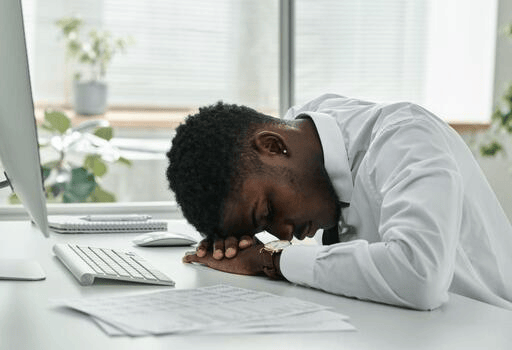
Missing sleep is not just about feeling groggy. It is a full-body health crisis in slow motion. Here are some of the effects of sleep deprivation on your body:
Your Weight. When you do not sleep enough, your body produces more ghrelin, the hormone that makes you hungry, and less leptin, the hormone that tells you when to stop eating. The result: you are hungrier, less satisfied after meals, and more likely to reach for high-calorie food to stay alert. Meat pies. Pastries. Sugary drinks. Not because you lack discipline. Because your hormones are off balance from poor sleep.
Your Heart. While you sleep, your heart and blood vessels recover from the demands of the day. Consistently cutting sleep short interferes with that recovery. Studies consistently link poor sleep to higher rates of high blood pressure, heart disease, and type 2 diabetes (10 Early Signs of Diabetes in Nigeria You Should Never Ignore). Every night of bad sleep is another night your heart does not fully recover. Hypertension in Nigeria Is Rising Among Young Adults: Here’s Why
Your Brain. Your brain depends on sleep to process information, store memories, and stay sharp. Without enough rest, you reread the same email three times. You make avoidable errors. You take twice as long to do half as much. Sacrificing sleep to be more productive is one of the most counterproductive things you can do.
Your Mental Health. Sleep regulates your emotions. Chronic sleep deprivation increases irritability, anxiety, and stress. Over time it raises your risk of depression and makes existing mental health conditions harder to manage. The effects of poor sleep do not announce themselves. They accumulate. And by the time they become obvious, years of damage may already have been done.accomplish less because your brain isn’t operating at full capacity.
The Impact on Your Mental Wellbeing
Sleep also plays an important role in regulating your emotions. People who don’t get enough sleep are more likely to experience irritability, mood swings, stress, and anxiety. Over time, chronic sleep deprivation may increase the risk of developing depression or make existing mental health conditions harder to manage.
The effects of lack of sleep don’t stop at daytime tiredness. Prioritizing healthy sleep habits can help protect your heart, support a healthy weight, sharpen your focus, and improve your overall quality of life.
What Causes Sleep Deprivation?
If you’re not getting enough sleep, you’re not alone. And it isn’t always because you’re staying up too late. Sleep deprivation can result from a combination of lifestyle habits, work demands, health conditions, and environmental factors.
Some of the most common causes include:
- Busy schedules: Long work hours, multiple jobs, shift work, or caring for young children can leave little time for adequate sleep.
- Stress and anxiety: Worrying about finances, work deadlines, family responsibilities, or other life pressures can make it difficult to fall asleep or stay asleep.
- Too much screen time: Scrolling through social media, watching videos, or replying to emails before bed exposes you to blue light, which can interfere with your body’s natural sleep-wake cycle.
- Caffeine and alcohol: That late-evening cup of coffee or energy drink may help you power through work, but it can also make it harder to fall asleep. While alcohol may make you feel sleepy at first, it often disrupts sleep later in the night.
- Medical conditions and sleep disorders: Conditions such as sleep apnoea, chronic pain, asthma, anxiety, depression, and certain medications can affect sleep quality.
In Nigeria, where power outages, traffic, and demanding work schedules can sometimes disrupt daily routines, many people unknowingly sacrifice sleep just to keep up. While these challenges may be unavoidable at times, consistently putting sleep last can gradually affect your health and wellbeing.
Myth vs. Fact
Myth: “I’ll catch up on all my sleep over the weekend.”
Fact: Sleeping in on weekends may help you feel more rested temporarily, but it doesn’t fully reverse the health effects of chronic sleep deprivation. The best approach is to get enough quality sleep consistently throughout the week.
Understanding why you’re losing sleep is the first step toward finding the right solution. If the cause isn’t obvious or your sleep problems continue for several weeks, it’s worth seeking professional advice.
Sleep Deprivation Treatment: How to Sleep Better

The good news is that, in many cases, sleep deprivation can be improved by making small, consistent changes to your daily routine. The goal is not to achieve “perfect” sleep overnight but to create habits that help your body recognize when it’s time to rest.
Here are a few healthy sleep habits that can make a real difference:
- Keep a regular sleep schedule. Try to go to bed and wake up at the same time every day, even on weekends.
- Put the phone down 30 to 60 minutes before bed. No scrolling. No WhatsApp. No Netflix. Read a book, pray, stretch, journal, or just sit quietly. Your brain needs a wind-down signal.
- Watch your caffeine intake. Avoid coffee, energy drinks, or strong tea in the late afternoon and evening, as caffeine can stay in your system for several hours.
- Make your bedroom sleep-friendly. A cool, dark, and quiet room can help you fall asleep more easily. If noise is an issue, consider earplugs or a fan for gentle background sound.
- Move your body during the day. Regular physical activity supports better sleep, but vigorous exercise is best avoided close to bedtime.
Not sure why you are struggling to sleep?
Sleep problems don’t always have the same cause. For some people, it’s stress. For others, it could be medication, an underlying health condition, or poor sleep habits.
Our licensed pharmacists are here to help. They can answer your questions, recommend appropriate over-the-counter sleep support when suitable, explain how to use these products safely, and let you know when it’s important to see a doctor.
Reach out to our pharmacy team today for personalised guidance.
For some adults, healthcare professionals may recommend short-term sleep aids or supplements alongside good sleep habits. Products such as BetterYou Magnesium Sleep Spray, Deep Sleep Melatonin Gummies, Daynee Sleep Melatonin Gummies, or a Night Time Sleep Aid may provide additional support for occasional sleep difficulties. However, these products are not a substitute for healthy sleep habits, and they should always be used according to the product instructions. If you’re pregnant, breastfeeding, taking prescription medications, or have an underlying health condition, consult a healthcare professional before use.
The most effective treatment for sleep deprivation often combines consistent healthy sleep habits with professional guidance when needed.
Frequently Asked Questions
1. What are the symptoms of sleep deprivation?
Common symptoms include persistent tiredness, difficulty concentrating, poor memory, irritability, mood changes, frequent yawning, and relying on caffeine to stay alert. Some people also experience increased cravings for sugary or high-calorie foods.
What happens if you don’t get enough sleep?
Regularly missing out on sleep can affect your brain, heart, immune system, and metabolism. Over time, it may increase the risk of obesity, high blood pressure, type 2 diabetes, heart disease, and mental health problems.
How do I know if I’m sleep-deprived?
If you often wake up feeling unrefreshed, struggle to stay awake during the day, or find yourself making more mistakes than usual, you may not be getting enough quality sleep.
Can sleep deprivation be reversed?
In many cases, yes. Improving your sleep routine and addressing the underlying cause can help your body recover. However, if your sleep problems persist for several weeks or significantly affect your daily life, it’s important to seek medical advice.
When should I see a doctor?
Speak with a healthcare professional if you regularly struggle to sleep despite practising good sleep habits, snore loudly or stop breathing during sleep, or experience excessive daytime sleepiness that interferes with work, driving, or daily activities.
We often think of sleep as something we can sacrifice to get more done. Ironically, the opposite is usually true. Consistently getting enough quality sleep can improve your focus, productivity, mood, and long-term health while reducing your risk of serious conditions such as heart disease and type 2 diabetes.
Better sleep starts with the right information, and sometimes, the right support.
If you have questions about sleep deprivation or you’re unsure which sleep support product is right for you, reach out to our licensed pharmacists today. We’ll help you choose a solution that’s appropriate for your needs so you can take the next step toward better sleep and better health.